

Reflections
Occasional writing from moments of transition.
This space holds occasional reflections.
Not advice.
Not instruction.
Simply observations that emerge while working with moments of transition.
Read slowly. Or not at all.
On Delayed Clarity
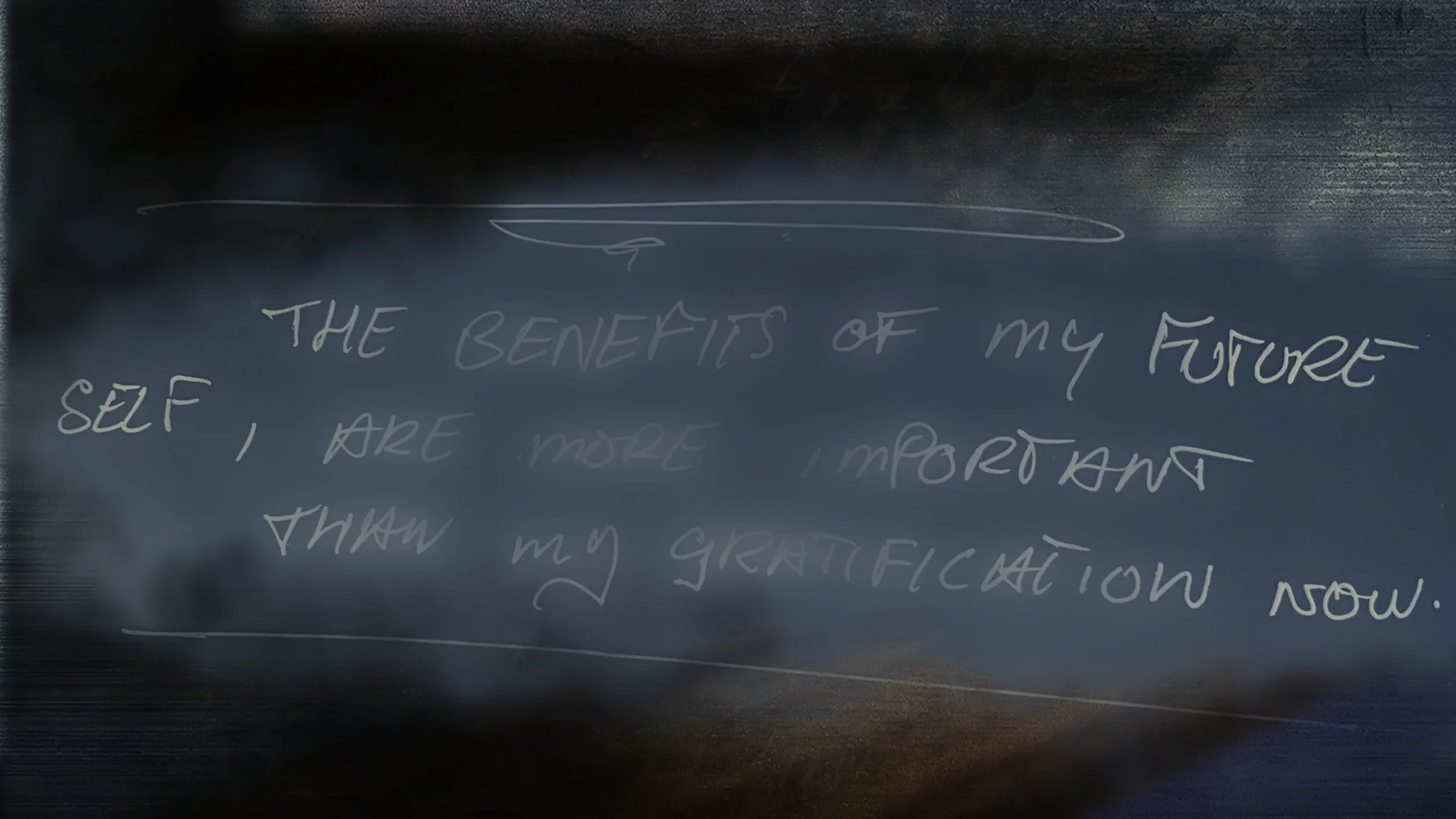
The benefits of my future self
are more important
than my gratification now.
Most moments of drift aren’t caused by ignorance.
They’re caused by proximity.
What’s close asks loudly.
What’s future speaks quietly.
Immediate gratification isn’t usually destructive in itself — it’s persuasive. It offers relief, certainty, and a sense of control when things feel unresolved. The problem isn’t desire. It’s confusion about timing.
There are moments when the question isn’t what do I want?
It’s who am I becoming — and what does that require now?
Future orientation isn’t about discipline for its own sake.
It’s about deciding which self gets to vote.
When the future self is allowed into the room, choices change.
Not because they become easier —
but because they become clearer.

The Train Between Stations
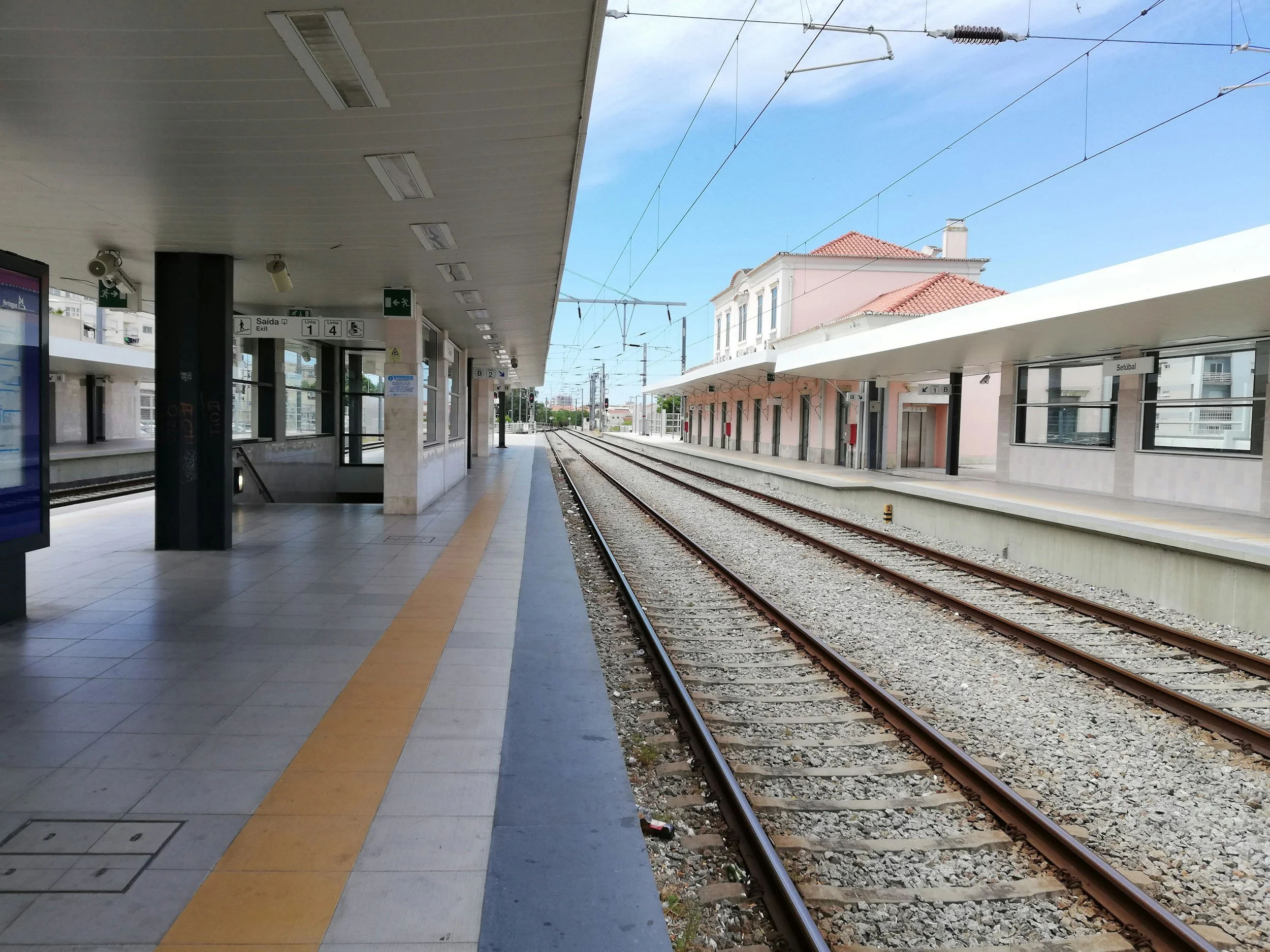
There are moments when the train has left one station
and hasn’t yet arrived at the next.
In that stretch of track, the old platform begins to appear in the window’s reflection.
I call it echo.
Not because it was better.
Because it was known.
The movement of the carriage presents this as clarity:
“Maybe I was wrong to leave. Maybe I should get off and go back.”
But going back isn’t neutral.
It carries the residue of why the departure happened.
The urge to step off at the last station
is rarely about the place itself.
It’s about avoiding the disorientation
of being between destinations.
This part of the journey asks for tolerance —
not of suffering,
but of not yet arriving.
Most passengers misread the sway of the train
as evidence they chose the wrong direction.
They interpret the passing dark between cities
as failure. Or oblivion.
But this stretch of track isn’t pathology.
It’s appropriate to the phase.
The question isn’t whether to return to the previous platform.
The question is:
What am I trying to avoid feeling
while the landscape is still unknown?
Often it’s simply the exposure
of having no station to stand on.
Echo is scenery in the glass — not the tracks beneath you.
Remaining seated while the body wants to run back
requires rising above the motion in your own system.
Not suppression.
Not avoidance.
Detachment from the pull to pull the emergency brake.
Neutrality.
When you recognize the reflection as a reflection,
you stop trying to disembark from a moving train.
The urge loses authority.
It can travel with you without deciding the destination.
Staying present to the movement —
without forcing arrival —
is the work.
Not because patience is a virtue,
but because jumping off between stations
ends the journey.
When the impulse to return appears,
notice it.
Don’t perform certainty about it.
Don’t label it weakness.
Ask:
What feeling am I trying to escape
by wanting the last platform again?
Usually it is the exposure
of being nowhere familiar.
And that exposure,
when faced without leaving your seat,
is where orientation begins.